A place to settle
Shared rooms, individual beds, personal storage and space to gather. The property and approved capacity are still to be confirmed.
Our plan · Los Angeles
Who’s Hungry is an independent nonprofit developing a home for men returning from prison: up to 12 months of housing, daily meals and support toward paid work.
The home is in development. Housing applications and donations are not open.
Why this matters
Finding work and planning a future are harder when you’re worried about where you’ll sleep or eat. Our proposed home would give men on parole a stable base to pursue work, build savings and prepare for independent housing.
Shared rooms, individual beds, personal storage and space to gather. The property and approved capacity are still to be confirmed.
Breakfast, lunch and dinner prepared by a team that believes care belongs on every plate.
Explore the meal planHelp preparing for paid opportunities, with union apprenticeships and skilled trades as our preferred route.
Explore the employment planThe first-home goal
The goal covers a suitable hotel or motel, the work to make it a home, and its first full year of operations. It is a planning target; property costs and the operating budget are still being confirmed.
Acquire a suitable building with an approved use and capacity.
Complete necessary work, furnish rooms and prepare shared spaces.
Cover staffing, meals, utilities, insurance, upkeep and reserves.
Our aim is a home that can cover its operating costs through reliable recurring income. Once the first home is stable, we plan to fundraise for the next property.
These are planned uses, not allocated subtotals. We intend to publish a costed budget and revise the goal if needed. Donations, larger gifts and fundraising events would support the launch; no event dates are confirmed. The nonprofit would own the property. Gifts provide no ownership stake, repayment or financial return.
We are evaluating program payments, donations, fundraising income and permitted resident contributions. No payment rate, referral agreement, guaranteed occupancy or recurring revenue has been secured.
The aim is to cover operating costs in year two, including approved staffing costs and an appropriate reserve. That depends on actual income, costs and resident needs. Expansion would follow evidence of stable operations, adequate staffing and a sustainable funding model; later properties would need separate fundraising.
No property has been secured. Before committing, we will assess a property’s suitability, approved use and capacity, renovation needs, accessibility and safety requirements.
James, Shehz and Cristela plan to share meals, resident check-ins, property coordination and administration. Before opening, they must establish workable shifts, training, safety procedures and funded backup coverage. Staffing decisions would follow the home’s actual workload and budget.
The three founders would hold paid working roles. Compensation must be independently reviewed against duties, comparable pay and the operating budget before approval.
Three chefs. One shared vision.
James, Shehz and Cristela share equal leadership and responsibility. Their work at St. Joseph Center’s Bread & Roses Café inspired Who’s Hungry, a separate, independent nonprofit.
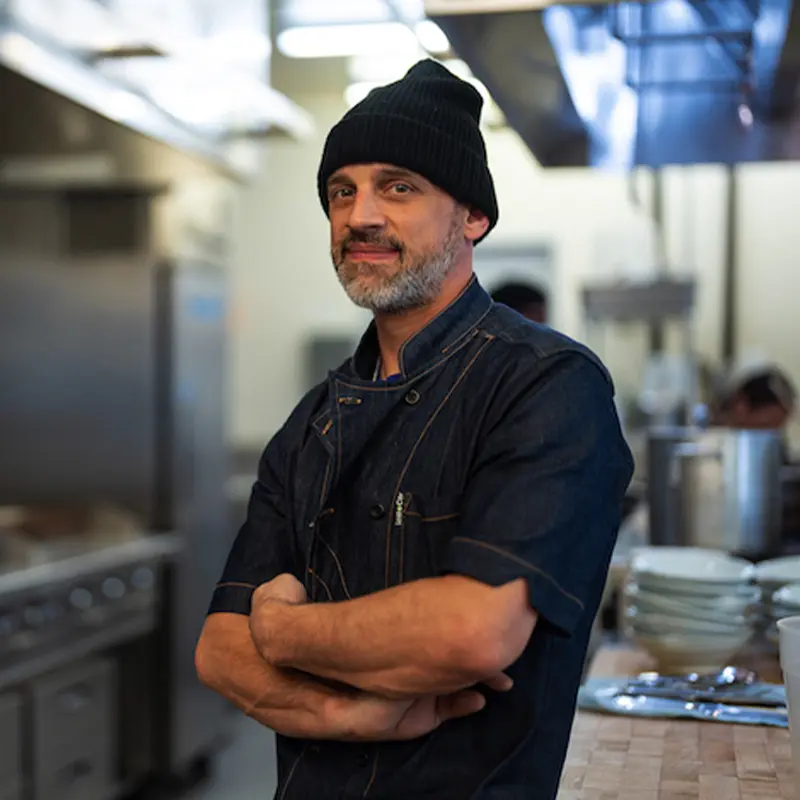
James Cunningham is Executive Chef and Program Manager at St. Joseph Center’s Bread & Roses Café in Venice. In February 2024, ABC7 recognized his work preparing meals and creating a welcoming dining experience with an Early Riser feature.
His collaboration with Chef Michele Ragussis spans more than a decade, from The Pearl in Rockland, Maine, to The Crown & Anchor in Provincetown and annual cooking demonstrations at Mohegan Sun’s Sun Wine & Food Fest. Festival coverage identifies him as “Chef Jimmy.”
Read Cape Cod LIFE’s 2016 coverage, or see his photos, video and press coverage.
Cristela Alvarado has more than 15 years of experience in food and hospitality. For the past 10 years, she has owned and operated a food truck and catering business, working across food preparation, events and daily operations.
She also brings four years of nonprofit experience to Who’s Hungry, combining community service with the practical work of feeding people well.
Shehzad “Shehz” Peermahomed brings more than a decade of experience in restaurant operations and nonprofit food service.
As a Chef and Workforce Development Mentor at Bread & Roses Café, he helps prepare meals and mentors people rebuilding their lives. His background spans restaurant management, catering and culinary operations.
He brings that practical experience to Who’s Hungry’s plans for daily service, a welcoming home and connections toward paid work.
The founders share responsibility for fundraising, culinary standards, operations and reporting. Read the operating and compensation plans.
The planned meal program
Breakfast made to order, lunch that fits the day, and dinner together. We plan to use the food truck for three daily meals, with dietary needs and work schedules considered. Menus, service times and the truck’s readiness must be finalized before opening.
Come down during the breakfast window and have your meal made to order. Choose from eggs, homemade sausage patties, home fries, English muffins and pancakes. French toast or bacon can make occasional appearances.
Build a plate or turn the savory ingredients into a breakfast burrito, with cheese optional. Hot breakfast service ends at 8 AM; fruit or another simple option would remain available afterward.
A lighter midday meal with rotating choices from our five favorites: burgers, hot dogs, sausage with peppers and onions on a roll, fried chicken sandwiches and grilled chicken sandwiches. Fries or homemade potato chips on the side; patty melts and grilled cheese can join the rotation.
Residents heading out for work, volunteering or appointments could arrange a packed lunch before leaving. Hot lunch service would be planned around who is expected home.
Dinner is our family-style buffet: residents and staff sharing a generous meal, with planned first portions and a little extra. Everyone gets served before seconds are offered.
Seven themes keep the week interesting. Recipes change within each theme, with simple, festive touches on the serving table.
Fish, ribs, meatloaf and other favorites would rotate into the menus. These are sample spreads; seasonal ingredients, residents’ feedback and the food budget would guide the choices.
Residents could talk about their day, ask for help or simply eat and listen. Personal concerns would be discussed privately, with each person taking the lead on their goals.
We would discuss dietary needs and allergies with residents before service and plan suitable alternatives. Packed meals and arrangements for approved work or appointment schedules would help residents stay connected to the meal program.
Preparing for independence
Job preparation and planning for independent housing would begin at intake. We aim to connect residents with paid union apprenticeships, skilled trades and other suitable employment routes.
No union, employer or referral agreements are confirmed. Each employer or program sets its own eligibility, wages and availability; placements are not guaranteed.
Paid work would be pursued as soon as a resident is eligible. A year of unpaid work is not a prerequisite. Freely chosen volunteering could help build routine and community connections, but would not replace paid employees or supply unpaid labor to commercial employers.
Residents would connect with outside providers for classes, recovery support, identification, transportation and benefits suited to their needs and parole conditions. Benefits are not assumed to fund the home. Move-on planning would focus on income, savings and sustainable housing; outcomes cannot be guaranteed.
We welcome introductions to unions, registered apprenticeship programs, employers, and housing and reentry organizations. The founders’ employment at St. Joseph Center does not establish a Who’s Hungry partnership or resident placement there.
Residents would remain responsible for their parole conditions and agreed participation plans. Before opening, the home must establish house rules, check-ins, safety procedures, and intake, privacy, complaint and move-out policies.
Staff would document concerns, respond to immediate safety needs and communicate with parole officers when required by law, individual conditions or agreed procedures. Staff would not act as law enforcement or make parole decisions. Only the responsible authorities can change supervision requirements or discharge someone from parole.
Check-in methods remain undecided and must fit safety needs, supervision conditions and residents’ privacy.
Where we are today
The nonprofit is established, but the home is not operating. Housing applications and donations are not open, and no opening date has been set.
Confirm a suitable property and approved capacity, secure funding, establish service and payment arrangements, complete required work, furnish the home, and finalize staffing, training and backup coverage. The food truck’s condition and readiness also need review.
The proposed program is for men returning from prison and living on parole. Future admissions would follow finalized eligibility, intake and parole-related requirements. No resident applications are being accepted through this website.
The proposed home focuses on housing, meals and preparation for paid employment. It does not include a culinary training school. Paid union apprenticeships and skilled trades are the preferred employment route; community volunteering would be separate.
Accountability
Who’s Hungry’s federal nonprofit recognition is established. View the IRS determination letter.
Once funding begins, we intend to share quarterly updates on income, spending, reserves and progress toward opening.
Housing and meals will not depend on appearing in publicity. Storytelling will require separate, freely given permission. Future reporting would share aggregate information on occupancy, meals and employment progress while protecting residents’ privacy.
Founder compensation and related-party spending will receive independent review. Operating surplus stays with the mission. We will track restricted gifts separately, reconcile finances, establish purchasing approvals and provide a private feedback route before opening.
Required employee training will be paid, and schedules will reflect safe workloads. Read the privacy and donor-protection policy.
Photos & press
Reporting and photos from James’s culinary and community work.
Selecting play loads YouTube. Watch on YouTube
ABC7 Early Riser · February 2, 2024
ABC7 recognized James for showing up before sunrise to prepare meals for neighbors experiencing homelessness, with hospitality and dignity at the heart of the service.
ABC7 reporting, shared on St. Joseph Center’s YouTube channel.
Read the ABC7 storyMohegan Sun · Sun Wine & Food Fest
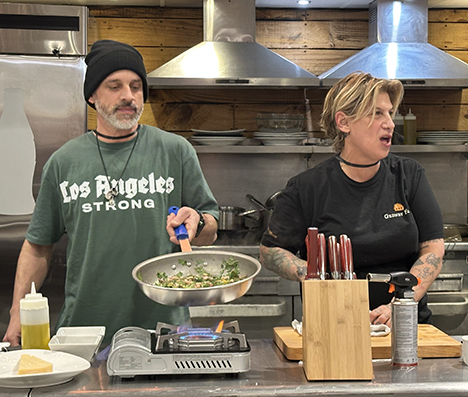
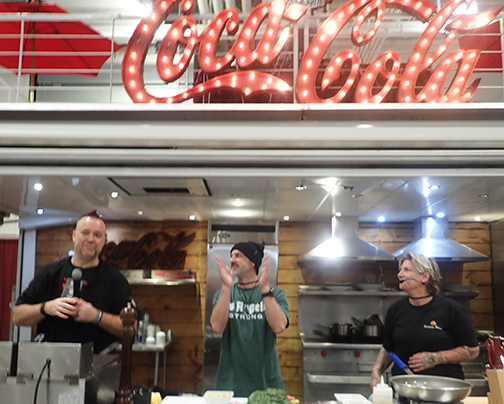
Photos from the 2023 and 2025 Sun Wine & Food Fest. Luxury Experience’s coverage identifies James as “Chef Jimmy.”

St. Joseph Center
St. Joseph Center’s history includes James’s arrival at Bread & Roses Café in 2017.
Explore the historyThe Oracle · May 30, 2024
A community feature with a kitchen photo and an interview with James about service and respect.
Read the featureCape Cod LIFE · August 2016
A profile of Michele Ragussis describes James’s work as her sous-chef, making pastas and desserts.
Read the profileThese stories document James’s culinary and community work. Bread & Roses Café is a St. Joseph Center program; Who’s Hungry is a separate nonprofit. Photos and reporting are credited to their original publishers.
Help us take the next step
Know a donor, property owner, union, employer or reentry organization that should hear about Who’s Hungry? We’d like to meet them.
Donations are not open yet. We will share launch news through our official channels.